
August 5th marked the release of yet another comic-based series onto a streaming platform. But this one is markedly different from the nearly over-abundant run of comic-themed projects available on the various streaming services. Netflix finally released an adaptation of The Sandman, which is arguably one of the most important, influential, and acclaimed comic books ever written.
Publication History
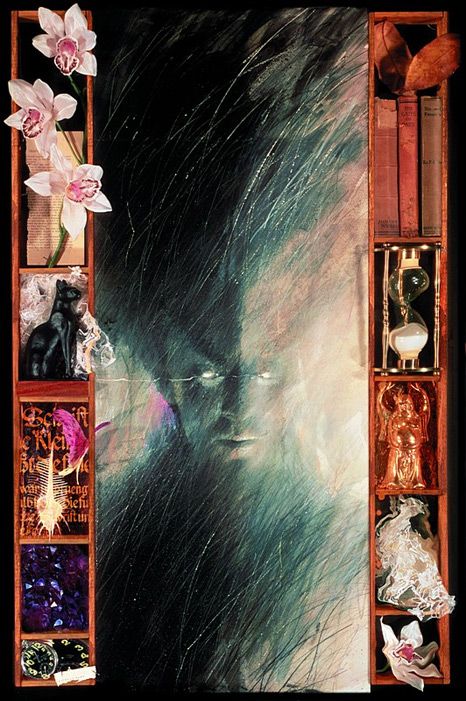
The Sandman is one of those stories that comes up in conversations even with people who say they aren’t into comics. Debuting in late 1988, the title featured 75 issues and multiple spin-offs. Thanks to the dark fantasy/ gothic style of story and design, the series became a cult favorite, especially among female fans. During this time, comics were beginning to pull away from the censorship guidelines of the Comics Code Authority, implemented in 1954. Imprints like DC’s Vertigo were publishing darker adult-oriented comics for mature audiences without submitting them for CCA approval, and The Sandman and related series quickly became some of DC’s tentpole titles for Vertigo. Now, modern reprints of The Sandman fall under DC’s Black Label imprint, which replaced Vertigo.
One reason The Sandman became such a success? It had a universal appeal. Paul Levitz pointed out how much of The Sandman’s fanbase were female college students in his book 75 Years of DC Comics: The Art of Modern Mythmaking. The Sandman was often suggested to me when I first started really getting into comics, so much so that I laughed out loud when the title came up multiple times while I read Chicks Dig Comics, an essay anthology about women in the comics industry. Clearly, The Sandman did something right in the appeal it had for all readers. It pushed boundaries, expectations, and the very idea of what a “comic book” was.
So why are people so surprised the television series is doing the very same thing?
Television Reception
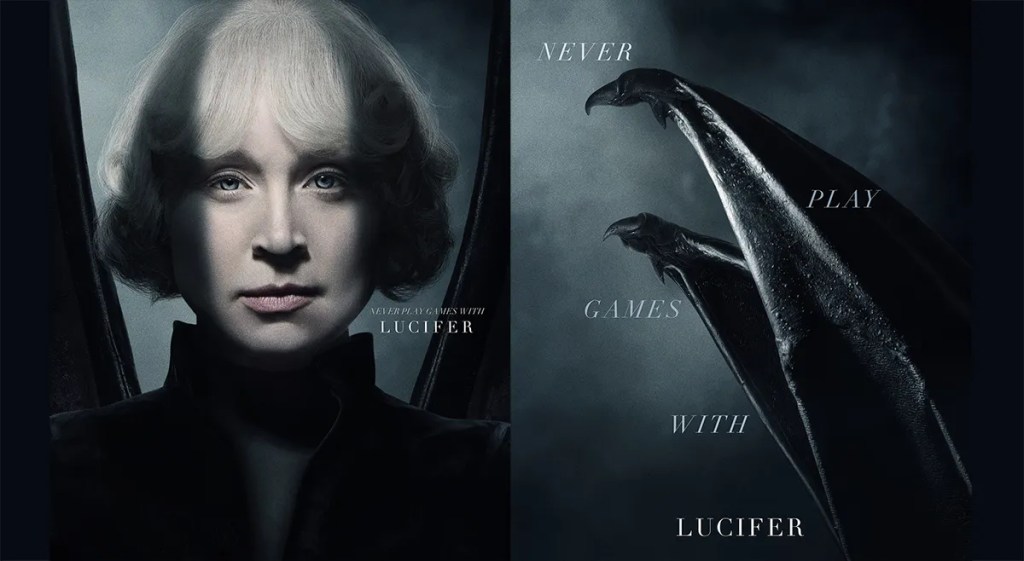
From the first moment casting was announced for Netflix’s The Sandman, Neil Gaiman was posting very passionately on his Tumblr account about how and why these specific people were chosen for their roles. Personally, I knew that was the case when Gwendoline Christie was cast as Lucifer. While the 2009 Lucifer television series is based off a Sandman spin-off title, and Tom Ellis as Lucifer was incredible, the fact that I’d be seeing a strong and intimidating lady in the role? (Especially my beloved Captain Phasma?!) I was all in.
Others didn’t agree.
There’s a section of the comics fanbase that has very strong and passionate beliefs about the roles their favorite characters fill. Whether it be gender identity or role, race, or sexual orientation, they struggle to see a character they picture in any other way than what’s in their mind’s eye. That’s a fair judgment and value, and I totally respect that opinion and their right to feel such a way. However, what I can’t stand are those who take their frustrations about these changes and turn them into platforms for spewing bigotry, misogyny, homophobia, transphobia, and other elements of hatred. And they’ve come out in full force against The Sandman.
Awake vs. “Woke”
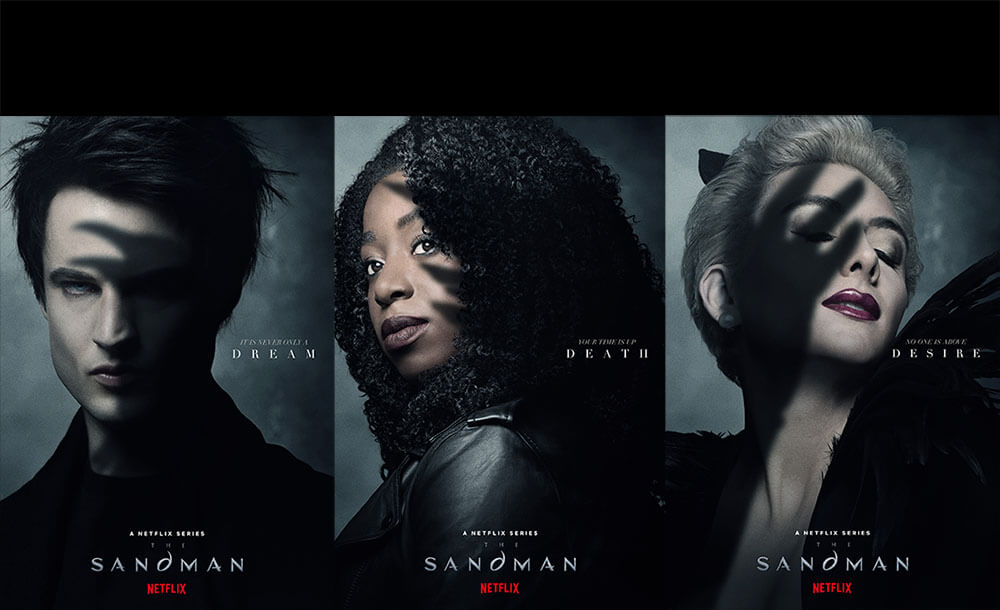
The biggest complaint from these very vocal folks is the amount of diversity representation in race, gender, and sexual orientation in the series. But the thing about The Sandman is that this representation always existed. When it was published in 1988, there were limiting guidelines to prevent the “promotion of Homosexuality”, thanks to Britain’s Section 28 law. As a result of this, stories like The Sandman had to be coded as queer, rather than directly stated. In a modern setting, these characters finally have the opportunity to be fully realized and represented in a way they were not allowed to be.
Having direct, proud, and highly visual representation of the groups being marginalized gives life, personality, and a face to groups that have been overlooked and under-appreciated for decades. Gaiman and Netflix’s decision to really push for inclusivity and representation gives hope for the next generation- of both creatives and people- impacted by the story of The Sandman.
The Sandman is now streaming on Netflix, and available to read on DC Universe Infinite.

 Pages and Panels
Leave a reply to Weekly Wrap-Up: August 12th, 2022 – Pages and Panels Cancel reply