
Note: I am employed by Marvel’s parent organization, The Walt Disney company. All thoughts and feelings expressed in this review are my own and do not necessarily reflect those of the company. This post is not sponsored or endorsed by Marvel or The Walt Disney Company.
In order to best explain this, there will be spoilers ahead. If you haven’t had a chance to see Wakanda Forever, hop on Disney+ and give it a watch before coming back to this article.
When Black Panther was released in 2018, it sparked a special kind of joy in my heart. I did my study abroad in South Africa, in a Xhosa village, and having the opportunity to see so many of the influences of the culture I love so on the big screen was so worth it. When Black Panther: Wakanda Forever was announced, I could not wait. And then when we got the first teases of Namor making his MCU debut, I hesitated. My feelings about Namor in the print comics canon were less-than-stellar. And yet, his character in Wakanda Forever was one of my favorite aspects of the film. So how did that happen?
Comics Namor, like DC’s Aquaman, is the half-human son of a princess of Atlantis and a human. However, the MCU decided that they’d use his character to help incorporate more diversity into the brand. And by doing so, the MCU provided a way to build deeper character development in less time and expose the fans to additional cultures rooted in reality.
:no_upscale()/cdn.vox-cdn.com/uploads/chorus_asset/file/24077524/Screen_Shot_2022_10_03_at_11.26.33_AM.png)
Rather than incorporating a traditional Atlantis kingdom to the MCU, Namor’s Talokan nation is based in Mayan culture. Originally, Namor’s roots were in greek and roman mythology. Even his name- “Namor”- was influenced by these myth-leaded regions, since it’s “Roman” backward. Wakanda Forever‘s Namor’s Meso-American roots tie into the fears of colonization, imperialism, and “otherness” present in Wakanda.
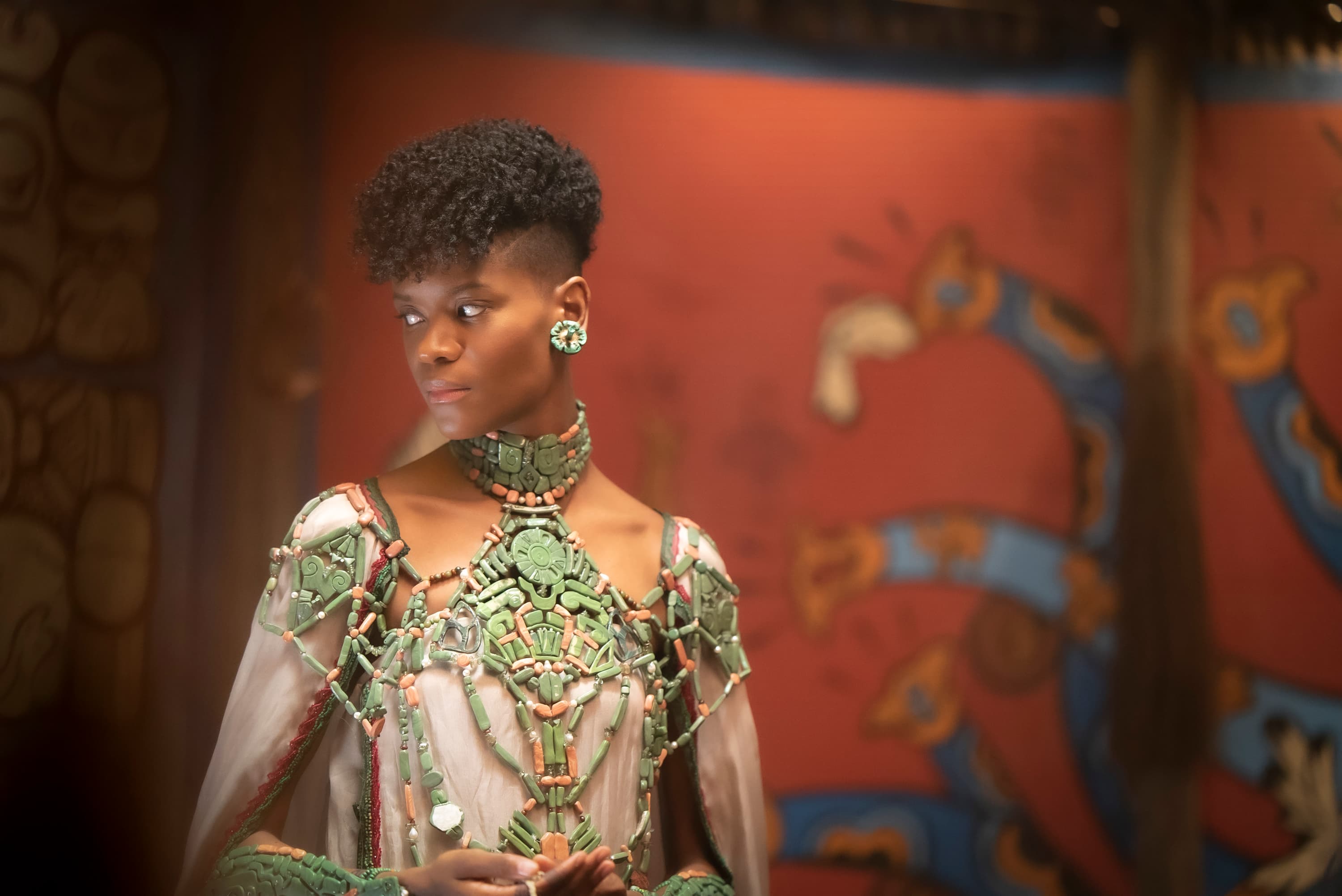
By associating Namor with the Mayan God Ku’ku’lkán, it endows the character a stronger sense of power without having to develop the fictional backstory further. This allows for the development of Namor’s tragic past to focus on his connection with his people and why he’s so brutal to those on land, connecting with Shuri’s own fears and anger at the loss of her brother. This also makes Namor’s murder of Queen Romonda even more of a betrayal, and motivates Shuri’s transition into the Black Panther.
This betrayal aside, the actual connection, empathy, and passion Namor shows for his people are ripped straight from the pages of the comics, as he often will assist Marvel’s heroes if it benefits Namor and Atlantis. Seeing this emphasis just reconfirmed that the changes Marvel made to the Namor character didn’t actually change who he was at the soul of the development, and instead served only to strengthen the MCU with a more diverse canon.
 Pages and Panels
Leave a comment