
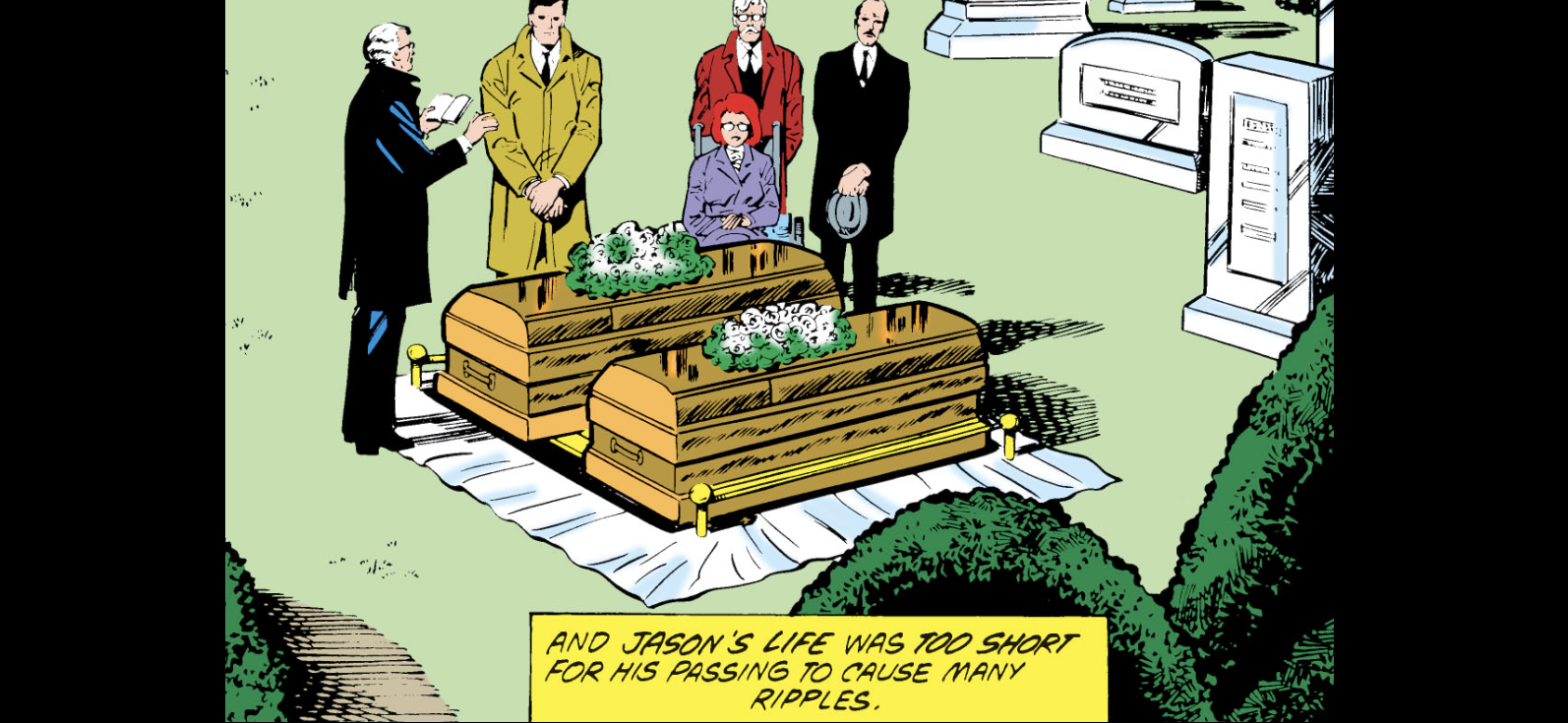
Thirty-five years ago this month, DC began a comic arc that would shape not only the future development of Batman mythology and characterization, but also the distinction of “anti-hero” in the DC Universe, and the future of social engagement. In the first of this two-part series, we’ll take a look at the comic that started it all.
Rash and prone to ignore Batman’s instructions, Jason was always quick to act without regard to consequences. In this fatal instance, Robin ignores his mentor’s warnings when he attempts to take on the Joker by himself and pays the ultimate price.
“Batman: A Death In The Family” official synopsis
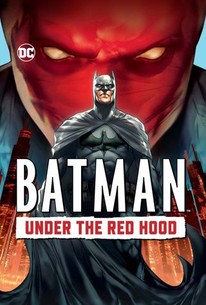
As a young woman coming into my comics adoration between 2009-2012, I ended up smack dab in the middle of the New 52 reboot. This meant my introduction to Jason Todd was post-zombification, Red Hood and the Outlaws style. I always knew he had died, and got better, be it from Superboy Prime’s continuity-altering punch or just sales records. In fact, my first passionate viewing of a DC Animated Universe film was Batman: Under the Red Hood, featuring Jensen Ackles as Todd at peak Supernatural fandom time, meaning I saw the film in gifs on Tumblr before actually seeing it.
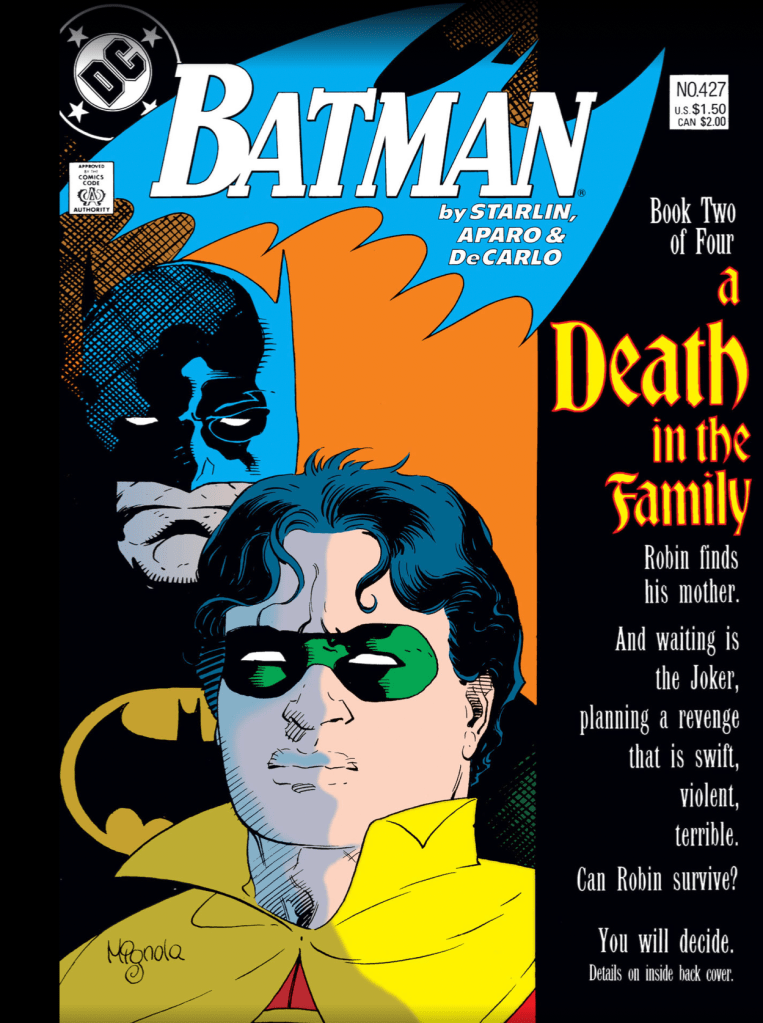
It wasn’t until a few years ago that I finally sat down and read and absorbed the four-part arc that started it all. Written by Jim Starlin, who also crafted The Infinity Saga for Marvel, it reads as a textbook example of comic authors pushing the boundaries of the Comic Code Authority at the time. Starlin’s work, A Death in the Family included, examines the causal relations between the actions of the characters and the consequences they suffer.
At the time A Death in the Family was published, many of the actions of the characters had little to no consequences. Unlike modern comics, where no death was permeant, comics back then simply didn’t kill their heroes. Main characters would frequently end up in peril, everything would also work out in the end, aligned with the CCA’s catch-all guidelines against violence, gore, and “violations of good test and decency”. That meant that readers didn’t believe DC would actually do it. And so when they were offered the choice to make their options heard through a phone poll, they voted to kill him.
So DC did.
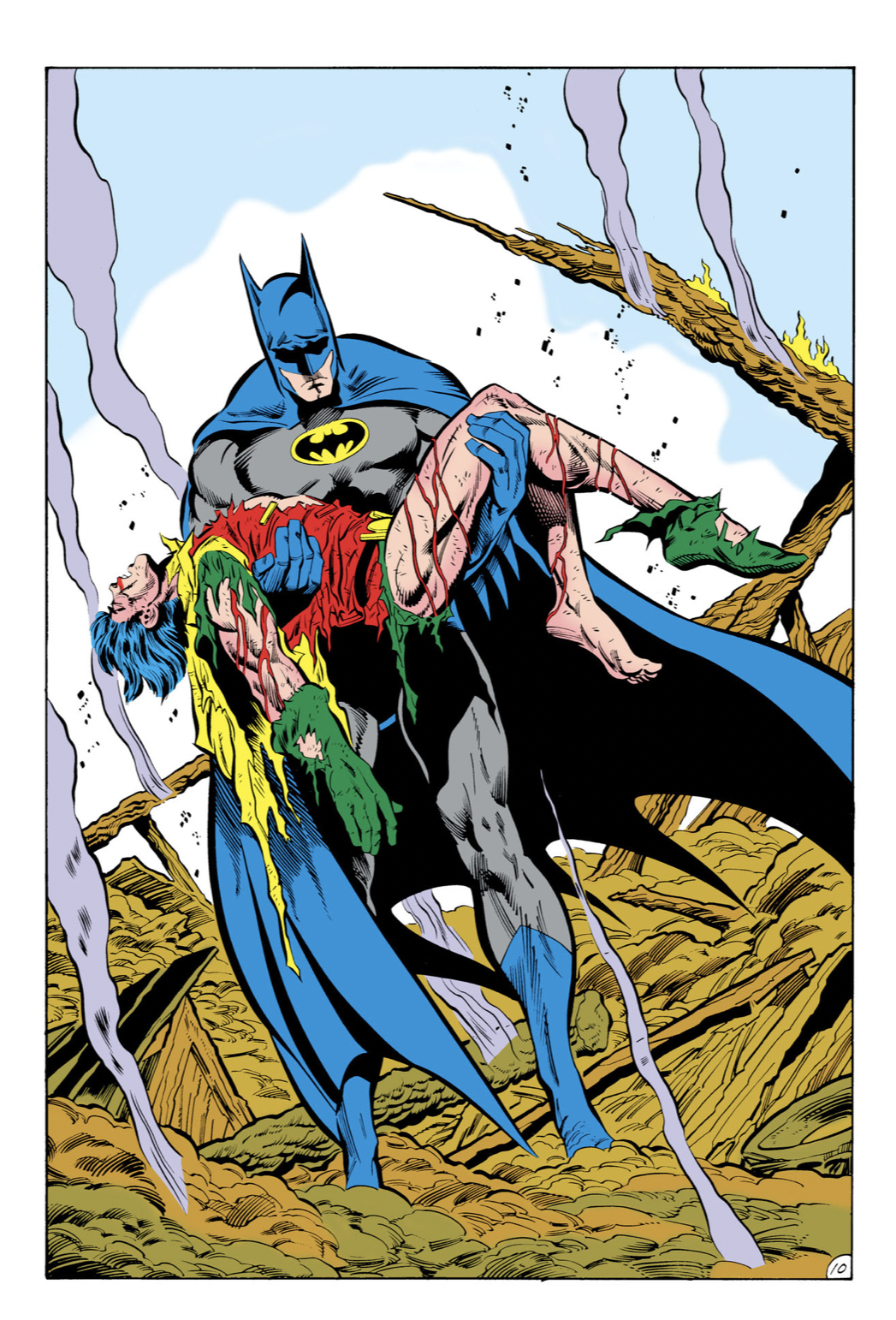
Nowadays, character deaths (and subsequent resurrections) like Jason Todd’s are fairly commonplace, particularly given the current obsession with multiverse storylines and alternate continuity offerings. But back in 1988, killing Robin was wildly unpredictable. It showed that no one was really safe and that companies like DC were listening to fan responses beyond the letters column. Without A Death in the Family, Batman wouldn’t be as dark as he is now and the level of social engagement between creatives and fans wouldn’t be as commonplace.
In tomorrow’s The Editorial, I’ll explain why Jason’s phone poll helped set the stage for social media engagement, and what that means in terms of comics, social media, and modern marketing strategies, plus highlight some of the best and worst of comic social media engagement.
 Pages and Panels
Leave a comment